BLOGS, ARTICLES AND NEWS
Get updates directly from the CA4SH Global team and stakeholders

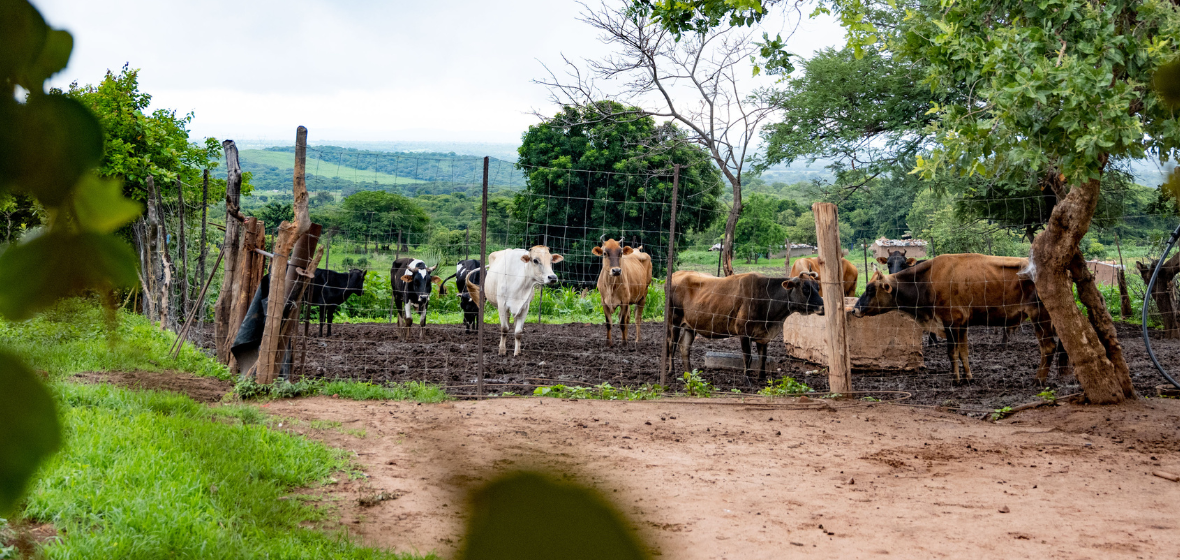
Restoring Hope from the Ground Up: Why Soil, Sustainability, and Regenerative Farming Are the Keys to Nakivale's Future
The Nakivale Refugee Settlement in Uganda stands at a critical crossroads. Once buoyed by global humanitarian aid, its resident refugees from over five neighbouring nations are now caught in a deepening food crisis following the withdrawal of major food aid support. In this article, I explore a promising, scalable solution: regenerative agriculture rooted in community-based soil knowledge, sustainable agroforestry and permaculture practices, and self-reliant farming. With over 75% of Nakivale’s refugee population relying on agriculture as their primary economic activity, the soil represents more than land. It means our survival. By transforming Nakivale’s struggling smallholders into empowered stewards of their land, we can unlock food security, resilience, and dignity for over 171,000 displaced individuals.

Launch of UNFSS+4 Report: Scaled-Up Action Needed to Transform Food Systems by 2030
28 July 2025 – Addis Ababa The United Nations today launched the Report of the Secretary-General for the Second Food Systems Summit Stocktake (UNFSS+4), calling for accelerated action to transform the world’s food systems as a cornerstone of delivering the 2030 Agenda for Sustainable Development. The report comes at a pivotal moment, five years before the SDG deadline, and outlines both the growing momentum and the urgent need to scale up inclusive, rights-based, and resilient food systems transformation globally.

International Rangelands Congress 2025: Advancing Private Sector Investment in Rangeland Restoration
The International Rangelands Congress is held every four years to promote the interchange of scientific and technical information on all aspects of rangelands: research, planning, development, management, extension, education and training. Its most recent gathering in Adelaide, Australia in early July 2025 was a welcome opportunity to get feedback from the good and the great of rangelands science and practice on the global rangeland standard and monitoring framework being developed with support from the GEF-funded project STELARR (Sustinable Investment for Large-Scale Rangeland Restoration). It also contributed to the momentum of discussions on the role of private sector investment in rangeland restoration—a hot topic for Congress attendees!

Digging Deeper: Soil Health as the Game Changer for Poverty Reduction
Building on the Millenium Development Goals – many of which saw considerable success, the United Nationslaunched the Sustainable Development Goals (SDGs)as a series of universally agreed-upon goals for the welfare of people and the planet.
Of these, SDG 1- No Poverty is a critical goal since it is intricately tied to other goals– No Hunger, Good Health and Wellbeing, Quality Education, Climate Action, Life on Land among others. However, despite decades of progress, poverty continues to be unacceptably high.
A new paper from IFDC, written by Dr. Caroline Kundu Agamala, Senior Soil Scientist, and Vinay Menon, Business Development Atlas Corps Fellow, seeks to elaborate on this theory of change and build the case for improving soil health.

Enhancing Soil Health for Sustainable Food Security: Achieving Zero Hunger
A new paper from IFDC seeks to elaborate on this theory of change and build the case for improving soil health as a pathway to food security.
The paper begins with an overview of how soil health is critical to multiple SDGs, including SDG 2: Zero Hunger. It then discusses the challenge of global hunger; including its persistence and rising trend in recent years.
Next, the authors delve into approaches that are critical to improving soil health so that crop systems can thrive. Next, is a look at not just overall food availability but the challenge of hidden hunger which is closely linked to levels of plant nutrition and healthy soils, before concluding with the caveats of the assessment.

GCSAYN JUNE 2025 SYMPOSIUM | Ambassadors for Change as Enablers to Enhancing the Achievement of the Agenda 2030 for Sustainable Development
The Climate Smart Agriculture Youth Network Global (GCSAYN), under the visionary leadership of its Executive Director, Mr. Divine Ntiokam, successfully convened the Inaugural Symposium on Monday, June 30, 2025. This event was held virtually via Zoom from 9:00am to 11:00am EST and brought together 70 participants from across Africa and beyond.
Organized through the collaborative efforts of the Strategic Planning, Program and Partnership, and Communications working groups (WGs), the symposium focused on building and strengthening capacity, as well as empowering the 4th Cohort of Interns from approved and pilot Centers of Excellence as key drivers of change in achieving the AU 2063 Agenda ‘The Africa We Want” and the 2030 Agenda for Sustainable Development ( 17 SDGs).
This Innovative Symposium drew inspiration from the recent GLOBE–NASA 24-hour 2025 Research and Innovation Marathon Relay, themed “Accelerating Towards Water Security Through Community Research and Innovative Technologies.” That 24-hour global relay allocated two-hour session per continent, promoting continuous engagement and showcasing regional impact in reframing tangible, concrete and sustainable solutions to better water resource management in defining a strategic pathway to improving on SDG 6 ( Clean Water and Sanitation).

Soil Health, Carbon, and Ecosystems – An Overview of Interdependencies that are Vital for the Planet
This new paper from IFDC outlines the role of soil in mitigating and adapting to the effects of climate change while also being influenced by these changes – a complex two-way relationship.
The authors first provide an understanding of this relationship before discussing the direct and indirect pathways through which soil health impacts carbon sequestration. Next, they highlight global evidence on soil health’s role in ecosystem services, including its ability to promote resilient, climate-adaptable systems.
Then, they discuss how these beneficial effects are under threat, as the increase in climate change-induced events limits the ability of soil to mitigate and manage climate change. Finally, they conclude by identifying areas where further action and research are needed.

Digging deeper: How soil spectroscopy is revolutionizing agriculture in The Gambia
The recent establishment of a mid-infrared (MIR) spectroscopy laboratory at the National Agricultural Research Institute (NARI) in the capital city of Banjul is set to bring wide-reaching benefits to decision-making by providing inclusive and fast analysis compared to conventional laboratory techniques. MIR offers a faster, more inclusive and cost-effective way to analyse soil health, enabling large-scale projects, including national surveys and supporting sustainable farming and landscape restoration.
The MIR lab in The Gambia is part of a growing network led by CIFOR-ICRAF’s Soil-Plant Spectral Diagnostics Laboratory in Nairobi, which has pioneered dry spectral soil analysis across Africa since 2009.

#Youth4Soil Showcases Youth-Powered Solutions to Combat Land Degradation
24 June 2025 | The second virtual #Youth4Soil Solutions Showcase, themed “Restore. Reform. Reap.” spotlighted the critical role youth are playing in reversing land degradation, rethinking failed systems and reaping the collective benefits of healthier ecosystems.

Why Food and Agricultural Systems Must Be at the Heart of Climate Adaptation
Climate change is no longer a distant threat—it’s a daily reality for millions of people around the world. And nowhere is this more evident than in the systems that feed us.
Farmers and fishers are on the frontlines of a crisis they did not create. As the climate shifts, so too must our approach to food. It’s time to put food and agricultural systems at the centre of climate adaptation.
Read the full story from WWF

Restoring Nature, Strengthening Communities: Launching a New Era of Restoration Through FOLAREP
In 2023, the Kenyan Ministry of Environment, Climate Change and Forestry developed a national strategy, the Forest and Landscape Restoration Plan (FOLAREP) to apply nature-based solutions to conserve forests and combat land degradation. Forest conservation offers a highly effective carbon-capturing sink and maintains biodiversity and other ecosystem services.
CIFOR-ICRAF has been working to develop county-specific plans for Makueni and Taita-Taveta counties in partnership with local governments, the Food and Agriculture Organization and the African Wildlife Foundation through the UKPACT Nature-based solutions project funded by the UK government.
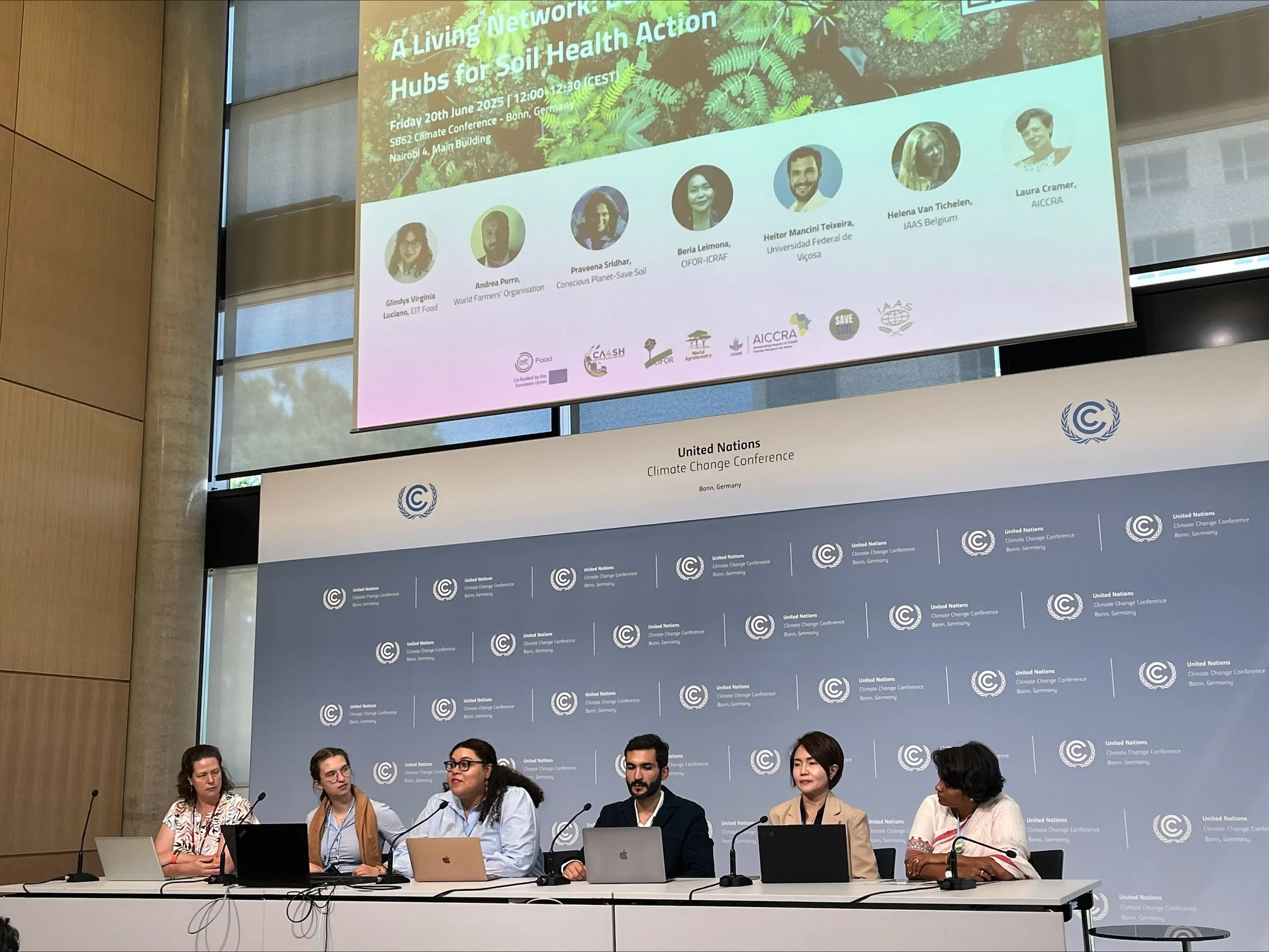
PRESS RELEASE | The Coalition of Action 4 Soil Health (CA4SH) and EIT Food launch Soil Action Hubs at the June Climate Meetings
Excerpt:
Soil health took centre stage at the June Climate Meetings (SB 62) in Bonn as the Coalition of Action 4 Soil Health (CA4SH), in partnership with EIT Food and CIFOR-ICRAF, launched a pioneering global network of Soil Action Hubs. The Hubs will act as a collection of decentralised platforms designed to accelerate local soil regeneration, investment and innovation. EIT Food is supported by the European Institute of Innovation and Technology (EIT), a body of the European Union.

Refugee influx shakes Nakivale's soil and food systems: A Hidden crisis uncovered
Recently, Nakivale has experienced a significant increase in refugee arrivals driven by various push and pull factors. Addressing these dynamics requires coordinated regional peacebuilding, sustainable development initiatives, and enhanced support for both refugees and host communities.
The community-based organisation AFRICAN YOUTH INTEGRATED FOR SOCIO-ECONOMIC DEVELOPMENT (AYISD) has been actively supporting the residents of Nakivale with capacity building and agricultural programming for the past four years. Now, organisers are concerned with how to sustainably accommodate the new influx of refugees to the settlement.
This article explores the context and need for support to the community of Nakivale, and outlines entry points for activists and stakeholders who want to get involved!
Taita Taveta County, Kenya, Unveils Ambitious Plan to Restore 226,420 Hectares of Degraded Land
By Albert Mwangeka
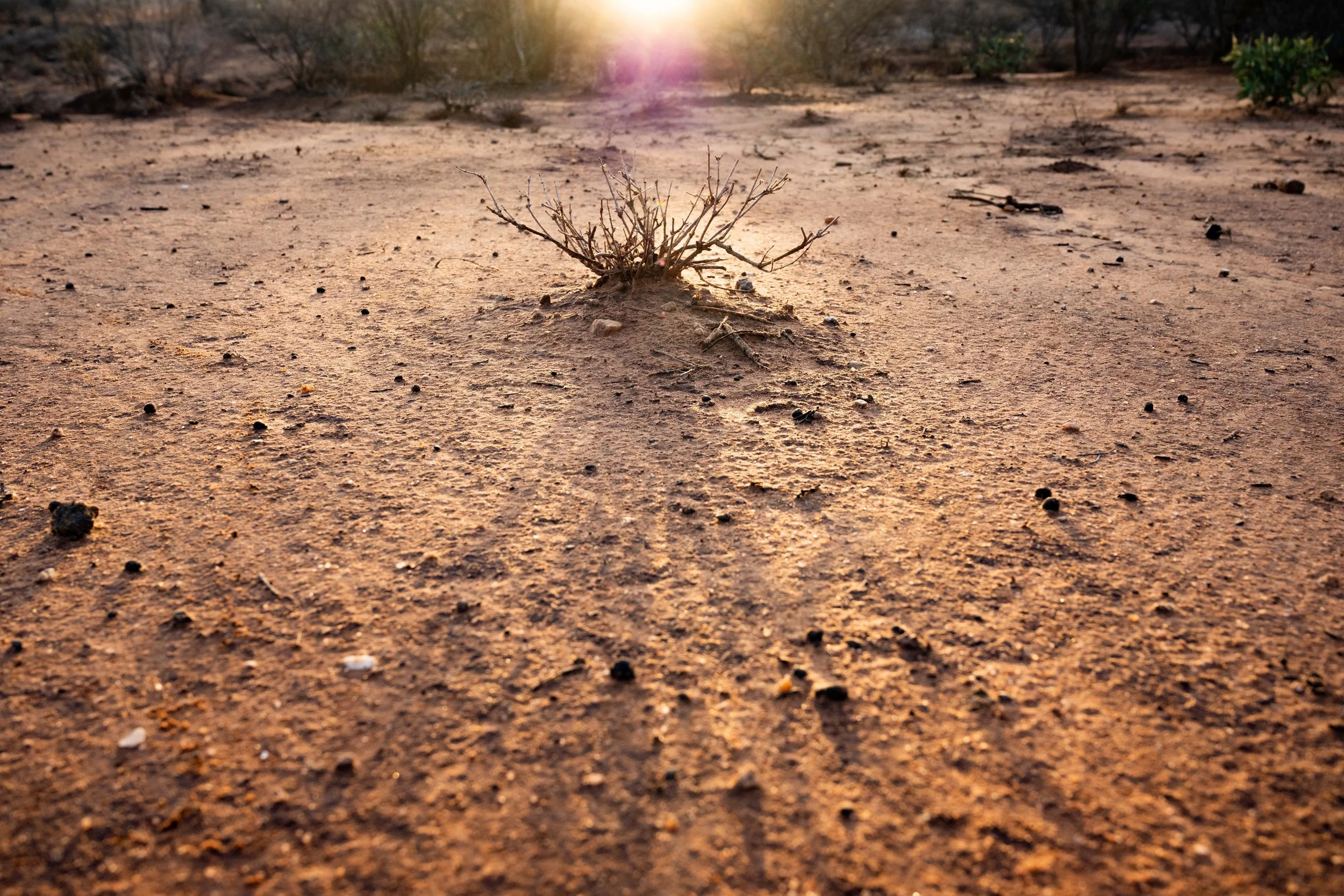
Taita- Taveta County, Kenya: Taita Taveta County has launched the Forest Landscape Restoration Implementation Plan (FOLAREP), a bold initiative targeting the restoration of 226,420 hectares of degraded land. The launch coincided with the World Day to Combat Desertification and Drought, underscoring the country’s commitment to environmental sustainability.

Une série de podcasts en deux parties montre l'impact de la gestion durable des sols sur la culture du coton en Côte d'Ivoire
Les producteurs de coton de Côte d'Ivoire sont confrontés aux effets du changement climatique, mais une solution existe sous leurs pieds. Dans une série de podcasts en deux parties, des agriculteurs de la région de Korhogo partagent leurs expériences de travail avec l'équipe du CIFOR-ICRAF pour améliorer la santé de leurs sols, leurs moyens de subsistance et leurs rendements.
Écouter ici

How to Make Organic Fertilizer
At Sustainable Harvest International (SHI), we practice natural and organic farming methods that restore soil health and increase food yields. We believe in opting for sustainable practices that nourish communities and the Earth. Our methods minimize the use of toxic chemicals that degrade the land and weaken a farmer’s ability to grow food. One powerful tool SHI farmers use to improve food production is an organic fertilizer called bokashi.

OP-ED | The Call to Invest in Soil Health to Combat Desertification and Drought is Stronger than Ever
Every year on 17 June, the Coalition of Action 4 Soil Health (CA4SH) joins in with our global partners, allies, and Coalition members in celebrating World Day to Combat Desertification and Drought. CA4SH is firmly rooted in the UN Convention to Combat Desertification and Drought (UNCCD). In this op-ed, Dr Leigh Winowiecki (CA4SH Co-Lead and Soil and Land Health Research Theme Lead for CIFOR-ICRAF) looks to this day as a beacon to celebrate our successes and reflect on our way forward as a multistakeholder organization committed to restoring and protecting land.

CA4SH & CIFOR-ICRAF Underscored Soil Health Monitoring at the 2025 International Rangelands Conference
Rangelands are a critical ecosystem, deeply rooted in traditional, indigenous land uses and livelihoods, and a major player for carbon sequestration, food and nutrition security, biodiversity, and climate adaptation. As scientific and multistakeholder organizations, the CIFOR-ICRAF Soil and Land Health Research Theme and the Coalition of Action 4 Soil Health (CA4SH) attended and led several sessions at the 2025 International Rangelands Congress (IRC) from 2-6 June 2025 in Adelaide Australia, including a two-day pre-congress workshop toward a Global Rangelands Standard & Monitoring Framework.

The Original First Responder: Partnering with Nature to Save and Sustain Lives in Somalia
Throughout the last decade of working with communities to adapt to and overcome disasters, at BRCiS, we have learned that we must constantly learn and adapt alongside Somalis. We are constantly learning and challenging our assumptions – and those of our industry – so that we can be better, more effective partners to the communities we work with.

CA4SH and “4 per 1000” at the 13th Session of the Global Soil Partnership Plenary Assembly
At the 13th Session of the Global Soil Partnership Plenary Assembly, the Coalition of Action 4 Soil Health (CA4SH) and the “4 per 1000” Initiative highlighted role of evidence to inform policy and practice, as well as the critical importance of multistakeholder action to improve soil health globally.